BABIES
Rhythm before sounds
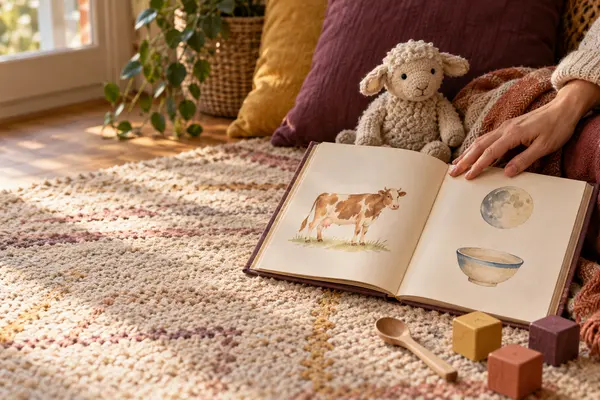
Babies follow the beat and stress of sing-song speech months before they reliably pick out single speech sounds.
See the baby study doodlerhyme
RHYME, RHYTHM AND READING
Nursery rhymes are doing more than passing the time.
Find a rhyme game
HEYdiddle diddle
Children who know nursery rhymes at three tend to read and spell better years later. Researchers think the beat and the rhymes train young ears to hear the sounds inside words. Here is what the studies found, and where the old rhymes came from.
Plain English, with the sources linked.
At a glance
64 children
Children followed from about 3 to 6
Researchers tested how many nursery rhymes young children knew, then followed their progress for three years. Early rhyme knowledge was strongly linked to later reading and spelling, even after allowing for IQ and social background.
RHYME AND READING · 1989
50 babies
Brain activity at 4, 7 and 11 months
A Cambridge team found babies did not reliably process single speech sounds until about seven months. Before that, the rhythm of sing-song speech appears to carry the learning.
RHYTHM AND BABIES · 2023
TWO STUDIES WORTH KNOWING
One followed toddlers for three years.
The other listened in on babies' brains.
Neither study says rhymes alone teach reading. Both point the same way: playing with the beat and sounds of language early gives children a head start in hearing how words are built.
A RHYME GAME FOR EVERY AGE
Pick a game to see who it suits and which listening skill it exercises. The games follow the path the research describes: beat first, then rhyme, then the sounds inside words.
These are ideas for play, not a programme or a test. Children move at their own pace, and repeating a favourite rhyme is part of the point.
THE SHORT ANSWER
Rhythm, then rhyme, then the single sounds
that reading is built on.
BABIES
Babies follow the beat and stress of sing-song speech months before they reliably pick out single speech sounds.
See the baby studyAGE THREE TO SIX
Knowing nursery rhymes at three was linked to reading and spelling at six, beyond IQ and background.
See the long studySINCE 1744
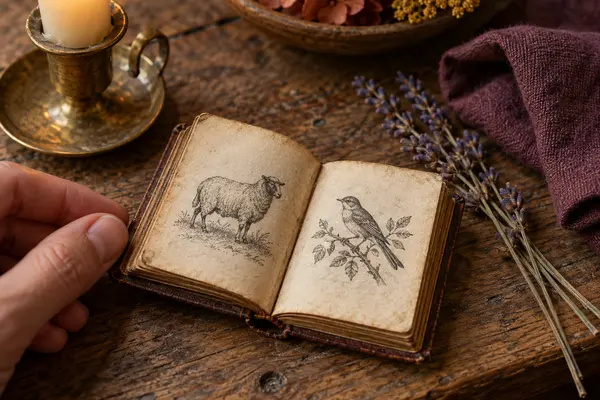
One of the first printed collections had pages about 8 by 5 centimetres, and many of its rhymes are still sung.
Read the history
TRY IT TODAY
Repetition is the point. A handful of favourites sung often lets a child learn the beat and start to join in.
Stop just before the rhyming word and wait. Filling it in shows your child is listening for the matching sound.
Moving to the rhythm helps children feel where syllables fall, the first step in splitting words into parts.
Swap the first sound of a word to make a nonsense rhyme. Playing with sounds this way is the same skill early reading uses.
RHYME FACTS
In the 1989 study, the link between rhymes and reading faded once children's later skill at hearing sounds was taken into account. The rhymes seem to help by sharpening that skill.
A 1983 study in Nature by two of the same researchers argued that grouping words by their shared sounds has a causal link with learning to read.
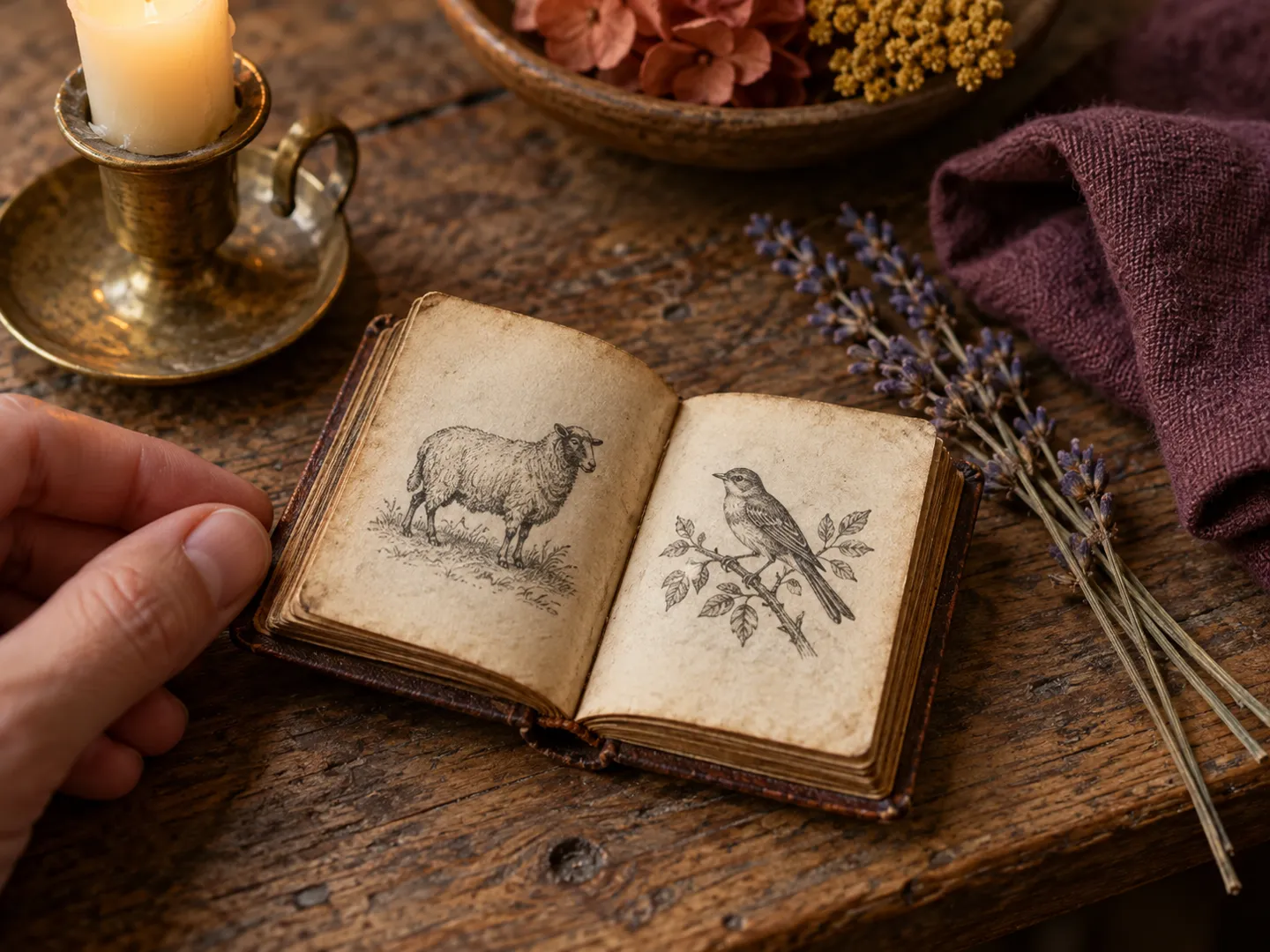
Tommy Thumb’s Pretty Song Book was published in London in 1744. Its surviving second volume holds 38 rhymes, each with an etched picture, on pages about 8 by 5 centimetres.
Twinkle, Twinkle, Little Star began as Jane Taylor's poem The Star, first printed in Rhymes for the Nursery by Ann and Jane Taylor in London in 1806.
In a Booktrust survey of more than 2,500 parents, almost a quarter said they had never sung a nursery rhyme with their child.
QUICK QUESTIONS
Short answers to the questions parents ask most.
A study that followed 64 children from about age three to six found that knowing nursery rhymes early was linked to better reading and spelling later, even after allowing for IQ and social background. The link seemed to work through children becoming more aware of the sounds in words.
From birth. A 2023 Cambridge study recorded the brain activity of 50 babies at four, seven and eleven months, and found that babies pick up the rhythm of speech well before they reliably process individual speech sounds, which they did not do until about seven months.
The Cambridge researchers argue that the rhythm and stress patterns of sing-song speech, such as nursery rhymes, are the scaffolding babies use to start learning language. The beat helps them hear where words and syllables begin and end.
Many are far older than the books they appear in. One of the earliest printed collections, Tommy Thumb’s Pretty Song Book, was published in London in 1744 with pages about 8 by 5 centimetres. Twinkle, Twinkle, Little Star first appeared in print in 1806.
A survey of more than 2,500 parents for the charity Booktrust found that almost a quarter had never sung a nursery rhyme with their child, and one in five parents under 24 thought rhymes had no educational value.
Sources
A NAME THAT SINGS
doodlerhyme.com is part of the DoodleSale portfolio. It isn't in an auction right now, but you can ask about leasing it.